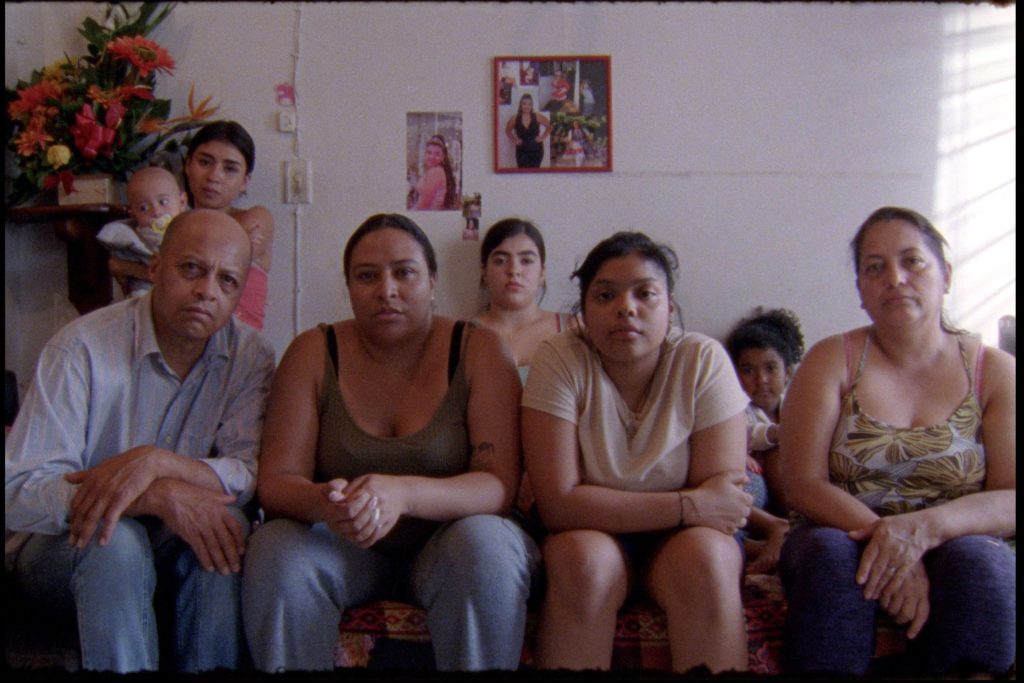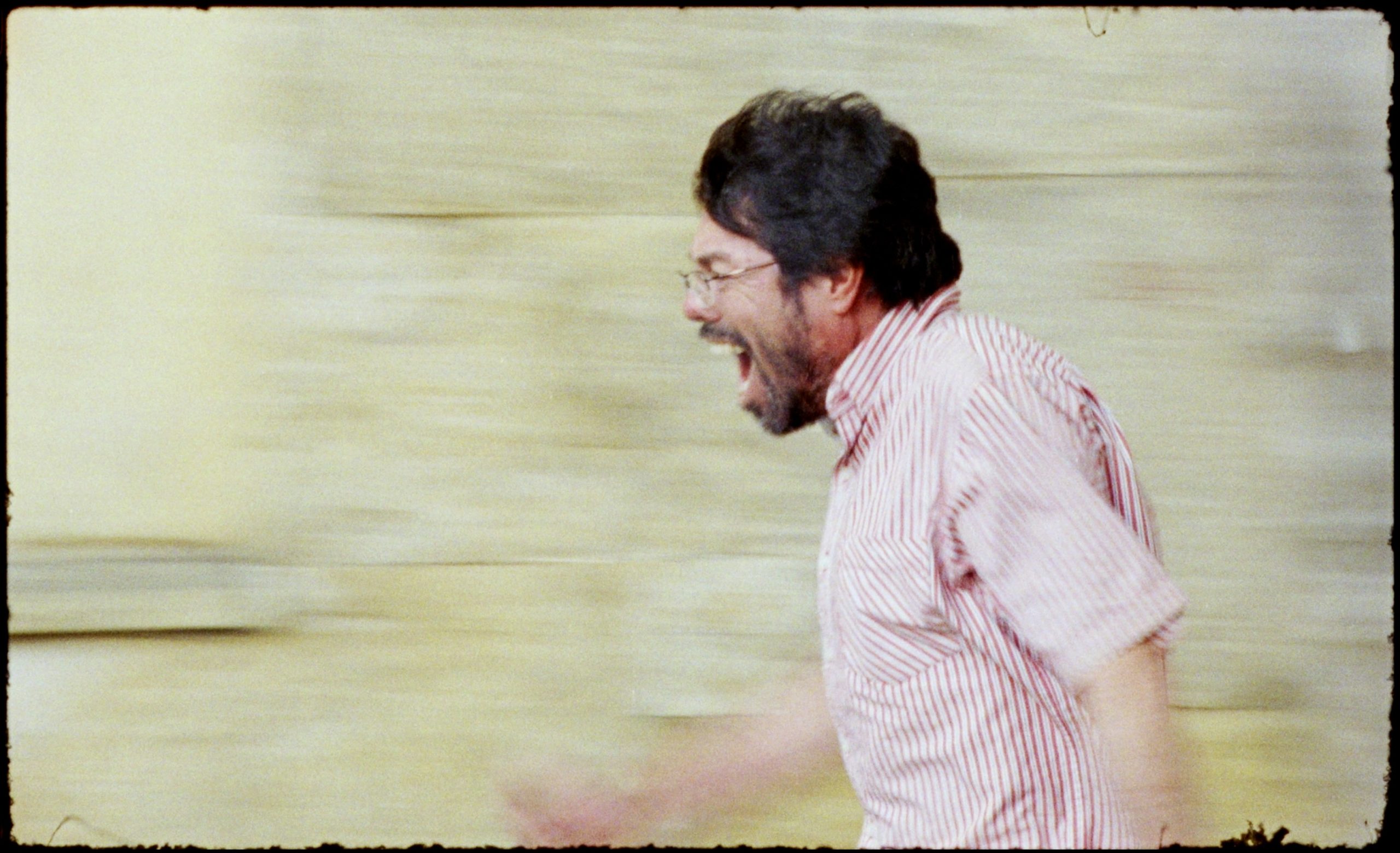
Simón Mesa Soto’s 2025 film, Un Poeta (A Poet), has been gathering accolades since its premiere at the Cannes International Film Festival almost a year ago. I had the pleasure of watching it during the Toronto International Film Festival last fall and immediately fell in love with it. I first encountered Mesa in our hometown of Medellín around 2015, when I was a first-year university student, and he was doing a Q&A for his short film Leidi (2014). Then and there, I realized that his sensibilities had a special connection to the city, to the vernacular and the idiosyncrasies of our cruel, imperfect, but magical Medellín. A Poet continues in that vein. The film is a vibrant snapshot of a city and its colourful characters. On this canvas, Mesa constructs a story that is equally touching and jolly, a bold journey through the eyes of a loser.
A Poet opens with a hectic sequence of events. Without giving us much geography or context, Mesa chooses to begin the film with Oscar (played by the soul-stirring Ubeimar Ríos) and his mother in a hospital waiting room. We still don’t know much about him, but he seems caring and worried about his mother’s health. Almost immediately, Oscar’s tenderness is subverted: he asks his mother for money to go out drinking, which leads to an argument. We are formally introduced to Oscar in the following scene, as he lurks alone at a local poetry symposium. Historian, poet, artist. These are the labels Oscar carries in the public sphere, but as we now know, his life is far less virtuous. With an incredible speed that mirrors the thought process of its titular character, Mesa deftly constructs the dichotomy that will tear Oscar apart throughout the film: a man who desperately wants to do better, yet who cannot seem to make a single right decision.
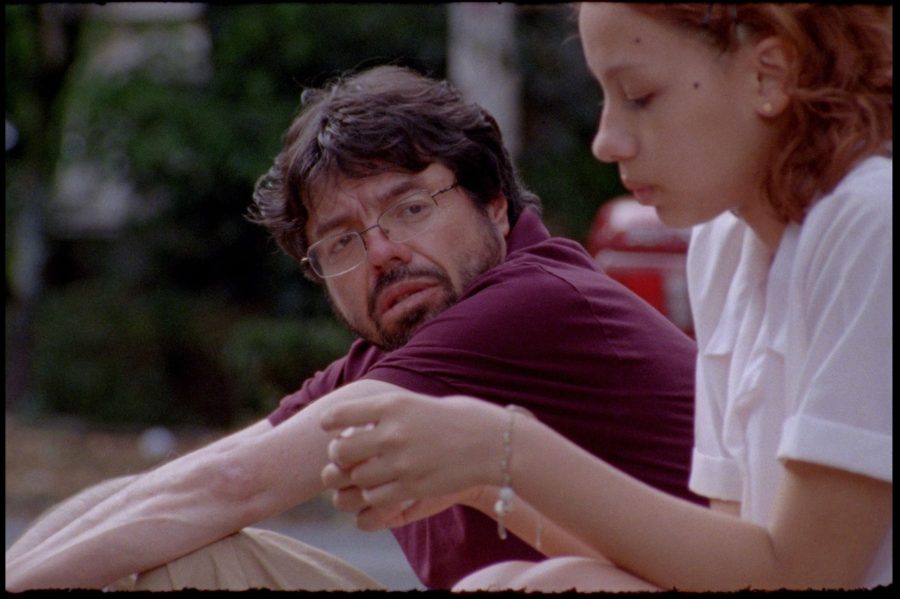
Shot on textured 16mm film that feels intimate and familiar, Mesa captures the spirit of Medellín and its inhabitants. Complemented by playful, mobile camerawork, A Poet navigates Oscar’s ups and downs (mostly downs, if we’re being honest!) as he tries to reconcile his relationships with his mother, his estranged daughter, and his stellar student. These three relationships take on lives of their own beyond functioning as mere plot devices. They are deeply complex and emotionally straining bonds for the women in Oscar’s life. Mesa cleverly flips the script on the “tortured” artist archetype, focusing instead on the consequences of that romanticized lifestyle. Every time you begin to feel sympathy for Oscar, you are promptly reminded that the situations he longs to escape are entirely of his own making.
However, and this is where A Poet truly shines, Mesa never portrays Oscar as an irredeemable character. In fact, none of the characters in the film, antagonistic or otherwise, appear to be consciously evil. Within the countless mistakes Oscar makes, there is always humanity at the core. Misplaced trust, naïveté, self-hatred; Oscar is a deeply humane character, someone who sees the world just a little differently from his peers and family. Mesa never excuses Oscar’s actions, but he also never scorns him. Oscar is not held accountable through virtue signalling, but through the people he hurts. In contemporary cinema, it is rare not to be told how or what to feel. The freedom Mesa gives us to draw our own conclusions and to experience a parallel emotional journey alongside Oscar is, in itself, a veritable gem in this day and age.
A Poet opens in wider release in Canada on February 6. Check your local cinema!