


It was our second year at Fantatsia at Short Ends, and it was a whirlwind of some of the best international genre films collected at the 29th edition of the festival.
Platanero Dir. Juan Frank Hernandez (Quebec, Canada)
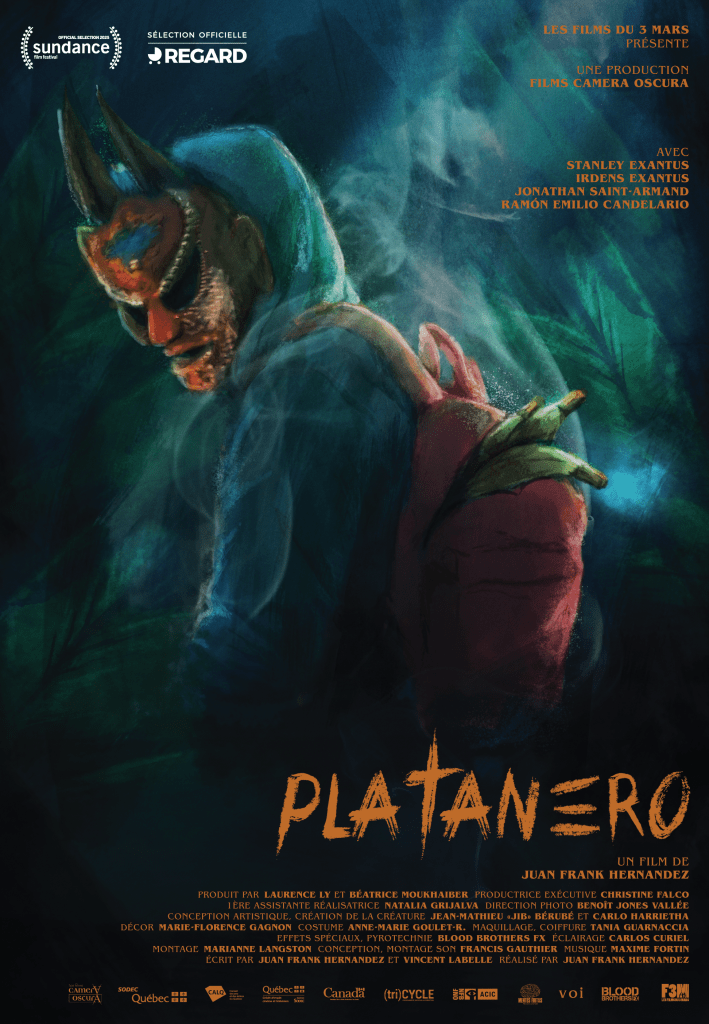
Two Haitian brothers, Ti-Frè (Stanley Exantus) and Gran-Frè (Irdens Exantus), live on the outskirts of a slum in the Dominican Republic, precariously surviving the unforgiving conditions of being undocumented, constantly at risk of being found out. When their home is raided, they barely escape, only to encounter more danger. Rejected for work on the plantation where Gran-Frè periodically frequents, while dodging state authorities and militia hate groups, the brothers turn to petty crime to fulfil their basic needs. However, in the process of filching resources from a secluded, unmanned plantation as a last resort, a supernatural, murderous force manifests.
Hernandez effectively conjures the insidious, unrelenting reality of immigrants and displaced peoples trapped, but never beholden to the systems that extract, exploit, and dehumanize them. As a coming-of-age story rooted in the blistering brutality of a culture that weaponizes prejudice, Platanero, akin to Henri Pardo’s Kanaval (2023), asks us to consider if the imagined terrors of racism can affect us any less than the real, lived experience.
Brotherly Dir. Gavin Seale (Quebec, Canada)

As Nabil anxiously waits in the room where his mentally ill brother Karim lies after an attempt on his life, Nabil is faced with the conflict of honouring his brother’s wishes when he learns that Karim has opted out of resuscitation. A profound meditation on heartbreak and letting go, Brotherly delicately approaches the subject of assisted death, inviting a balanced perspective around grief and the toll it takes on the living and those suffering in this short.
The Well Dir. Hubert Davis (Canada)
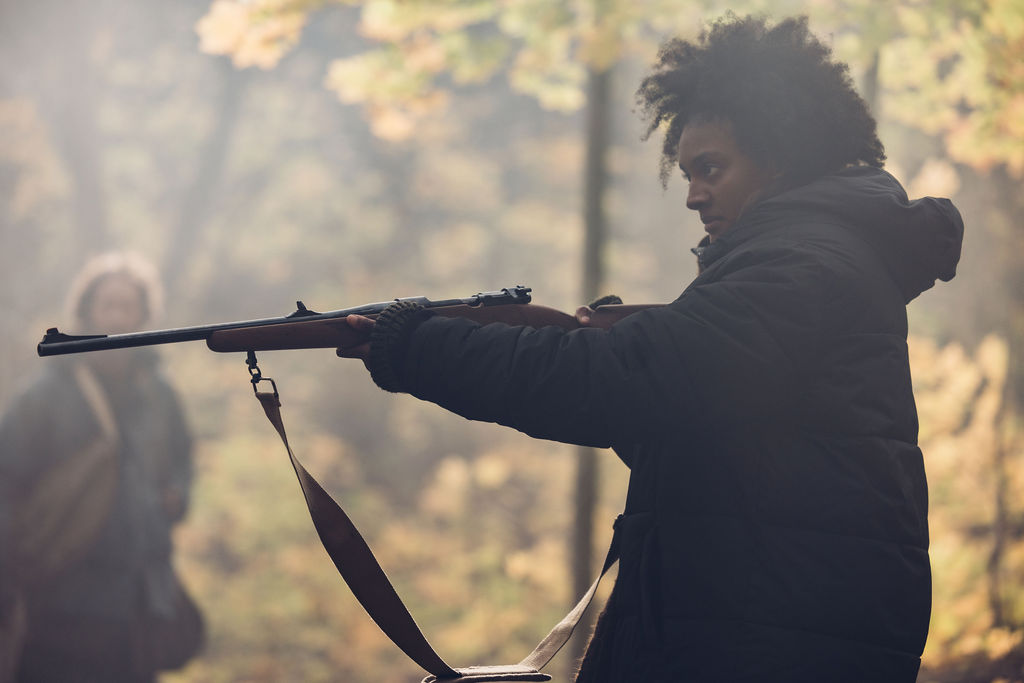
Hubert Davis’s eco-thriller, drama, The Well, quietly treads behind a family that has access to one of the last resources of clean water after the collapse of society. When approached by a stranger claiming to be family, their suspicions arise when an emergency forces them to separate. Davis successfully navigates through the tense and intimate portrayal of survival. With a fractured family’s well-being at stake, the film questions the values surrounding community and blood ties in the face of a climate crisis. While equally leaning into the emotional devastation of grief, loss, and life, The Well gleans hope from the scarcest of spaces.
La mort n’existe pas Dir. Felix Dufour-Laperriere (Canada/France/Luxemboug)

A striking hand-painted animation with a brooding, murky atmosphere, La mort n’existe pas opens with a resistance group shrouded in darkness. Strategizing their plan to assassinate the oppressive upper-class who hold the future hostage from the people, Hélène (Zeneb Blanchet) falters, abandoning her fallen comrades. Haunted by and trapped in a cycle of regret, guilt, and fear, Hélène is given the chance to rectify her choice. While the impeccable animation techniques overshadow the feeble anti-capitalist plot, the impotent cynicism that permeates the film leaves a bitter residue that does not match the notions of sorority in resistance that the film attempts to convey.
Japanese Avant-Garde Pioneers Dir. Amelie Ravalec (UK/ France/Japan)

A collection of Japan’s most influential artists, Amelie Ravalec’s documentary film, Japanese Avant-Garde Pioneers, delves into the strange, erotic, and grotesque birth of a new art movement in the 1960s, imprinting on generations to come. The documentary splices together archival footage of post-war Japan following WWII, tracking its transformation towards a new era, igniting a great reckoning in the face of social and political upheaval that stylistically challenged artistic norms of the time. Uninhibitedly influenced by the horrors of apocalyptic nuclear devastation, transcultural encounters, and shifting socioeconomic conditions, visual artists from Araki Nobuyoshi, Watanabe Hitomi, Moriyama Daido, Ishiuchi Miyako, to Yokoo Tadanori, Hosoe Eikoh, and Ohno Kazuo, contend with the bizarre, existential, and macabre in their work.
All You Need Is Kill Dir. Kenichiro Akimoto (Japan)
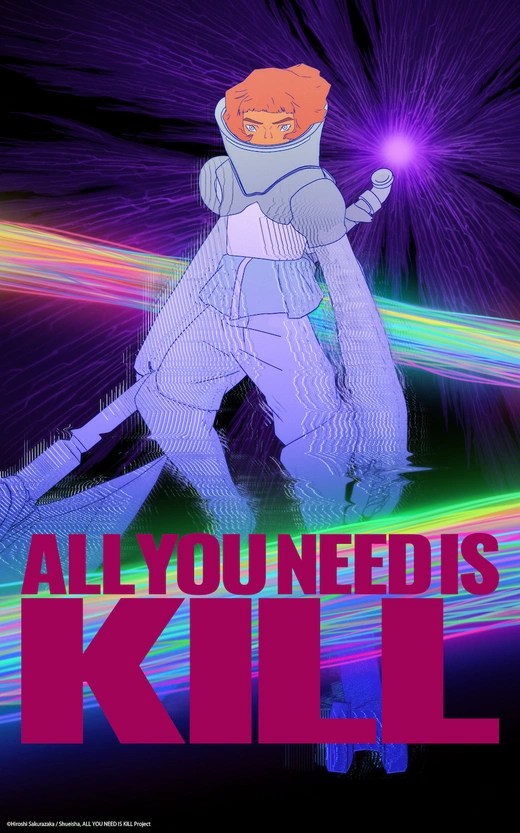
Studio 4°C is back with a trippy, vaporwave 3D/2D animated sci-fi mystery that shadows Rita (Ai Mikami), a young girl who yearns for drastic change in her life, whose wish is answered by the sudden arrival of an alien organism, Darol. One day, Darol erupts, releasing alien spawn that spreads mass destruction across Japan. Rita is killed, but wakes up again, and again, and again, trapped in a time loop where she is forced to confront her past trauma, reliving her deaths continuously. It’s only with an unlikely friend, Keiji (Natsuki Hanae), that they can encounter the external threat before them while battling their innermost anxieties surrounding their individual lives.
The antithesis to La mort n’existe pas, All You Need Is Kill, pushes back against the idea that nothing will change despite our greatest efforts by resolutely resisting the romanticization of defeat. The film, through its respawning narrative device, envisions the multiplicity of possible futures, no matter how many tries or mistakes it takes to get there.
Rewrite Dir. Daigo Matsui (Japan)
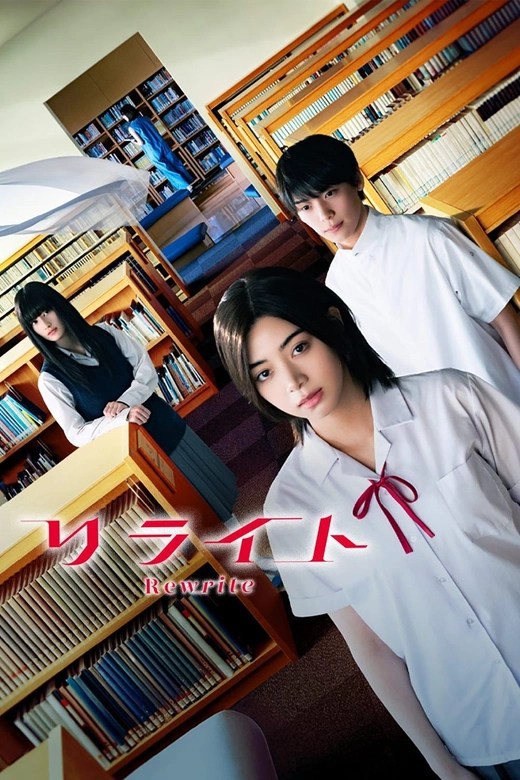
A time loop slice-of-life film begins with Miyuki (Eliza Ikeda), a young girl in Japan, who befriends new transfer student Yasuhiko (Kei Adachi), whom she unintentionally happens upon mid-teleporting from the future. As their friendship blossoms and with only 20 days until Yasuhiko must rejoin his own timeline, he asks her to promise that she will become a writer to tell their story in the future so he can find the book that led them to one another. As Yasuhiko departs, he leaves behind an endless labyrinth of possibilities that holds the power to alter pasts, presents, and futures. A tribute to The Girl Who Leapt Through Time and Nobuhiko Obayashi’s works, among others, Matsui brings a fresh take to the time loop narrative, all at once imbuing playful sincerity with wistful nostalgia in Rewrite.
Mononoke Chapter II: The Ashes of Rage Dir. Kenji Nakamura (Japan)

In Edo’s imperial inner-palace chambers of the Ooku, a power struggle is brewing, which threatens the life of Fuki (Yoko Hikasa), Lord Tenshi’s current favourite concubine, and the potential heir she carries. With the spark of scorn lit, the Medicine Seller (Hiroshi Kamiya) investigates the truth, form, and reason behind the burning torment that fuels the swarm of flames of the supernatural mononoke, Hinezumi. Amid rival families, betrayals, and ill-conceived intentions, the second chapter of Mononoke delivers another psychedelic, supernatural mystery tale of those in power who will stop at nothing to uphold the structures that afford them their positions at any cost.
 Short Ends