

The Fantasia International Film Festival has been offering a space to screen the unscreenable for 29 years, providing a platform for the type of cinema that resides on the fringes, just outside the mainstream or the highbrow. It is here that the beauty of Fantasia shines through, in this cinematic ouroboros, a cyclical oxymoron. A festival, by definition, counters the notion of anti-establishment; the collectiveness beats the alienation. Through the efforts of the festival’s team, the unscreenable is indeed screened, offering the validation of a laugh, a squirm, or a wince from a packed theatre. For the duration of the film, Fantasia suspends the reality of an industry that now, more than ever, seems to work towards the homogenization of film art. This notion opened the panel hosted by Short End’s dear friend Vincenzo Nappi on July 24. In front of a full auditorium Vincenzo and Canadian filmmakers Ethan Eng (Therapy Dogs), Lea Rose Sebastianis (Please Love Me), Terry Chiu (Open Doom Crescendo), Avalon Fast (Honeycomb), Maurane (Me and My Victim), Annie Wren (Steal My Life), and Kelly Kay Hurcomb and James Watts (Messy Legends) discussed the state of Canadian cinema.
Quickly, the panel established that there is a difference between the concept of outsider and Do-it-yourself (DIY) cinema. A film existing outside of the mainstream general taste or the industry (grants and studio productions) does not mean the film specifically goes against the grain. What distinguished an indie film seems to have been erased by the capitalization of “indie” themes by million-dollar production projects. A DIY production feeds and shapes the form of the film. Whilst the themes may or may not remain similar, a DIY film transpires the urgency of the artist to create and to narrate, which is still the core of cinema. The path towards a DIY film can be chosen, but it is also imposed by the increasingly competitive and capitalistic model the film industry has adopted. The panel highlighted the frustrating, patronizing feeling of inferiority that is born out of this relationship. Hence, the DIY film is permeated with rage, with desire, with urgency. Three key components that are somehow subdued or are simply not present in Cineplex’s screens around the country.
The panel also contended that the DIY movie emphasizes the personal interaction of the artist with their craft. By having to rely on your community, friends, or family, there is an inherent introspective aspect of DIY filmmaking that seems to be absent from commercial productions. Acting as a two-way road, the DIY path aids the artist to find their identity (personal, artistic, etc) while in parallel also sharing their craft and their labour, strengthening community ties and grassroots support. This oscillating relationship is what keeps cinema from dying on a local level. Particularly in the Canadian context, this ripple effect of counterculture is crucial to keep making aspirational and inspirational films.
However, as it is well known and documented, filmmaking is not just producing a film. The panel agreed that distribution is a vital part of the art form. Movies are meant to be seen, they ought to elicit a reaction, and they need an audience. This is where spaces like Fantasia become so useful for DIY filmmakers. No one can ensure what will happen to a movie or what will happen to the artist’s career after, but when the lights go out, the meows are shushed, the projector gleams, the film and the filmmaker are alive.
And oh, what a feeling that is!
Profiting from the accessibility that Fantasia provides, DIY filmmaking seeps into a wide range of stories and production modes. The limitations that a budget constraint might bring only amplify the creativity with which the artists tackle their craft. The 29th edition of Fantasia featured many life-affirming examples of this.
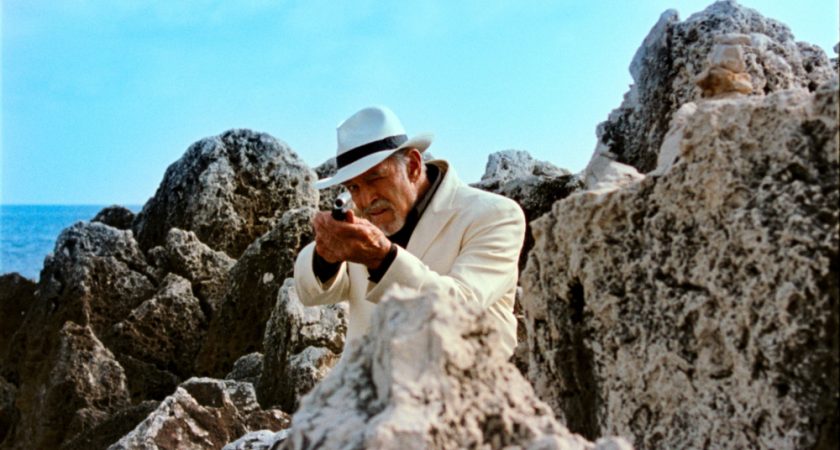
Reflection of a Dead Diamond (Reflet Dans Un Diamant Mort, dir. Hélène Cattet & Bruno Forzani, Belgium, France, Italy, Luxembourg) takes the spy genre and its iconography and deconstructs the blockbuster ideology through an experimental narrative. Reflection is a non-chronological recount of an actor that cannot shake off his James Bond-inspired persona (or is it the other way around!) as he deals with supervillains and the inevitability of death and oblivion. Texturally rich, the movie bolsters highly tactile visual effects, from silicone prosthetics to on-camera trickery that transpires an unabashed passion the filmmakers have for the form and the aesthetic. Reflection thus enters into a direct dialogue with the industry, highlighting both the thrilling excitement of the genre and the churning gears behind it. The machinery that sustains the business is not concerned with the humane, just the product, on how much of it they can streamline, just to sell more. A vicious cycle that systematically erases subjectivity and identity, very much like the anti-hero of the movie.
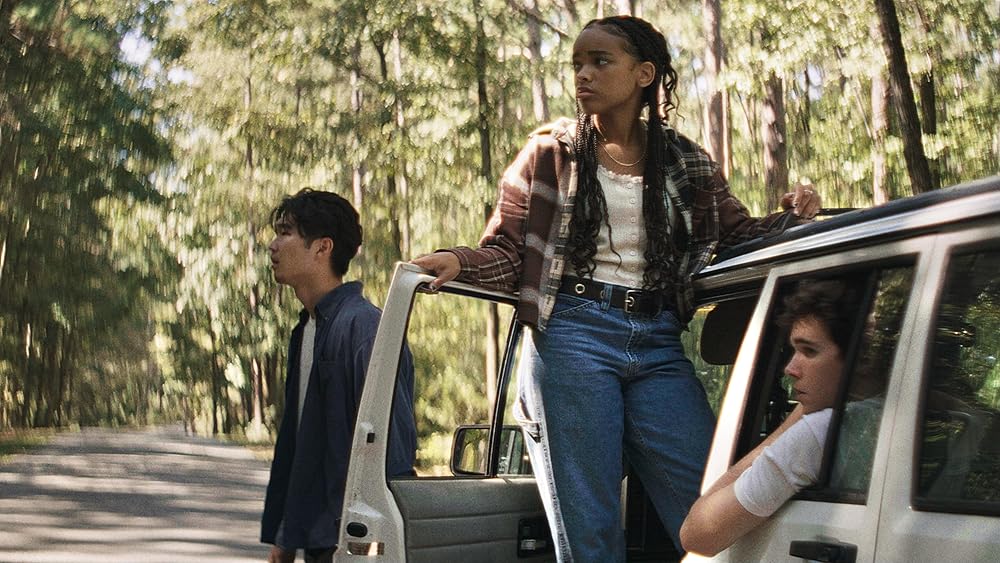

Another great example is the winner of the Best First Feature of the New Flesh Competition: Alex Ullom’s It Ends (USA). The first-time filmmaker injected his movie with personality and weighted emotions that, as he explained during the Q&A that followed his screening, came from a deeply personal and urgent place. Toying with the expectations of the horror genre, It Ends portrays the dread, the ennui, the fears, and the growing pains that come with adulthood. As we follow the main characters go down an endless road into the unknown, we get to share their emotions, as well as Ullom’s. However, as the filmmaking crew explained, It Ends would have never existed without the support of the community that they are a part of. They screened early (and late) cuts of the film to friends, family, and basically anyone who wanted to give them feedback. Without this approach, we would have never been able to see It Ends in its final form, and that is the film’s greatest strength, its innate magnetism coming from the collective footprint that jumps at you from the screen.
Finally, and in the same vein, Kelly Kay Hurcomb and James Watts’ Messy Legends (Canada) is the epitome of the power of DIY filmmaking. Shot on location in Montreal, mixing formats, mediums and time periods, Messy Legends is a haptic one-night urban odyssey. The filmmakers used documented footage shot by themselves during 2007-2012, as well as a fictionalized narrative to encapsulate the heartbreaking realization that perhaps the best years were yesteryear. A fairytale, a bender, a city symphony, Messy Legends is the type of aspirational film that newcomers and established artists need to see. Through unbelievable hard work, community and shared labour, Hurcomb and Watts magically suspend our disbelief in the industry. They show that DIY can carry the same emotional punches as the mainstream; they affirm and confirm their personal history (and Montreal’s history) on screen.
 Short Ends