
For the second year in a row, Short Ends had the opportunity to attend the 31st edition of Hot Docs and we’ve collected a compelling short list of a variety of documentaries featuring the perspectives of writers Juan Ospina, Elya Myers, and Vanessa McCuaig.
Aitana Dir. Marina Alberti (Spain)

A plead to remember and hold to one’s history, Marina Alberti’s short documentary, Aitana, floats between a personal intimate dialogue and archival footage. Without divulging much information about Aitana Alberti’s background, the film’s protagonist and Marina’s mother, the film constructs a clear map of the family’s exile due to the Spanish Civil War. Extrapolating images from the past, Marina Alberti argues the importance of finding beauty in the absence of a home or a known background. The filmmaker simultaneously faces her mother’s and grandmother’s Alzheimers, conveying a poignant sense of urgency to materialize her mother’s memory before it fades away. Aitana is not just a storytelling device, but a private recollection of images that freezes the last glimpses of someone’s lucidity and remembrance in time.
Aqueronte Dir. Manuel Muñoz Rivas (Spain)
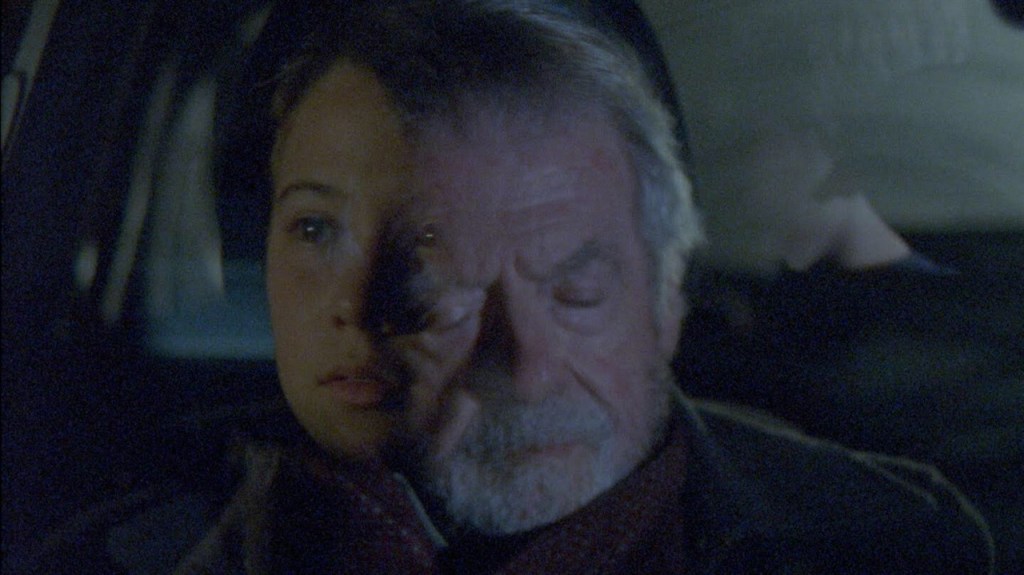
Blurring the lines of the classical documentary form, Manuel Muñoz Rivas presents a sleek short film that is as thoughtful as it is uncanny in Aqueronte. Following the passengers on board a ferry, the camera hovers between conversations, internal monologues and deep silences with a sepulchral patience. The filmmaker instills a heavy sense of mythological imagery that threads through a soundscape that emulates blinking moments of hyperfocused attention on a commute. Muñoz Rivas’ Aqueronte ends on an ambiguous note, one that exudes calm but also a bizarre sense of sadness.
Vuelta a Riaño Dir. Miriam Martín (Spain)
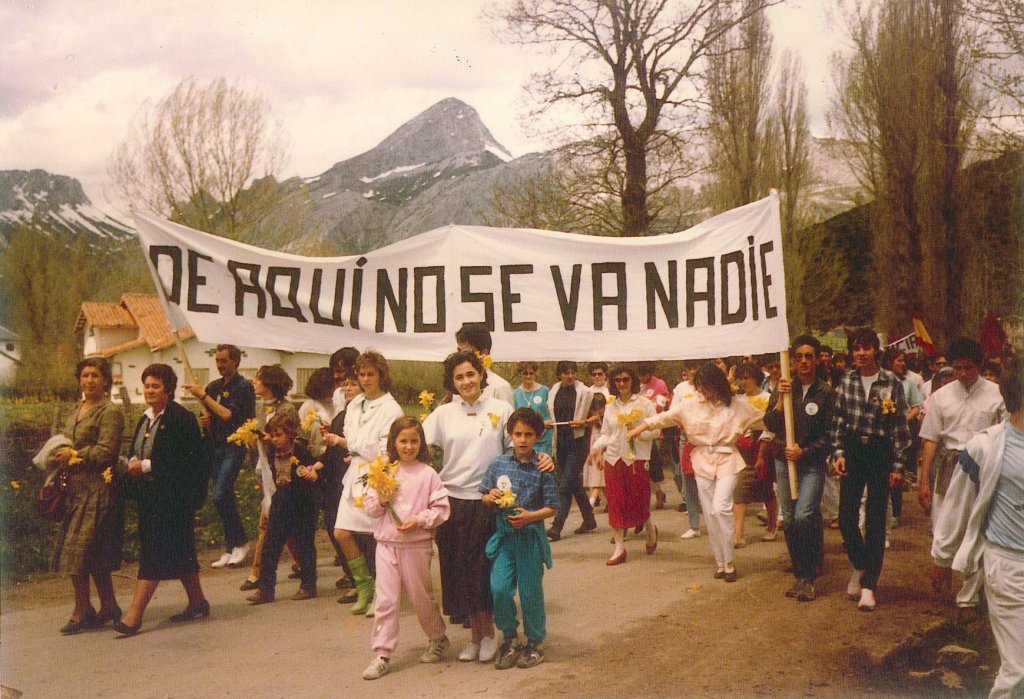
Miriam Martín’s archival documentary Vuelta a Riaño ends with a particular inscription in its end credits. Martín does not use the familiar inscriptions “directed by” or “film by” but she aptly states “Miriam Martín exercised the right to reply” and that is exactly how the film develops. Vuelta a Riaño is an uncomfortable reminder and document of State violence and their complicity in targeting and erasing their wrongdoings. Perceptively, Martín intertwines sporting broadcasts with newscasts to compare the official narrative against the truth of the region of Riaño and why it changed so drastically. Repetitive sound bites and continuous landscape shots sharply mark the rhythm in which Martin’s documentary faces the forgotten and the hidden.
Jackie Shane: Any Other Way – Dir. Michael Mabbott, Lucah Rosenberg-Lee (Canada)

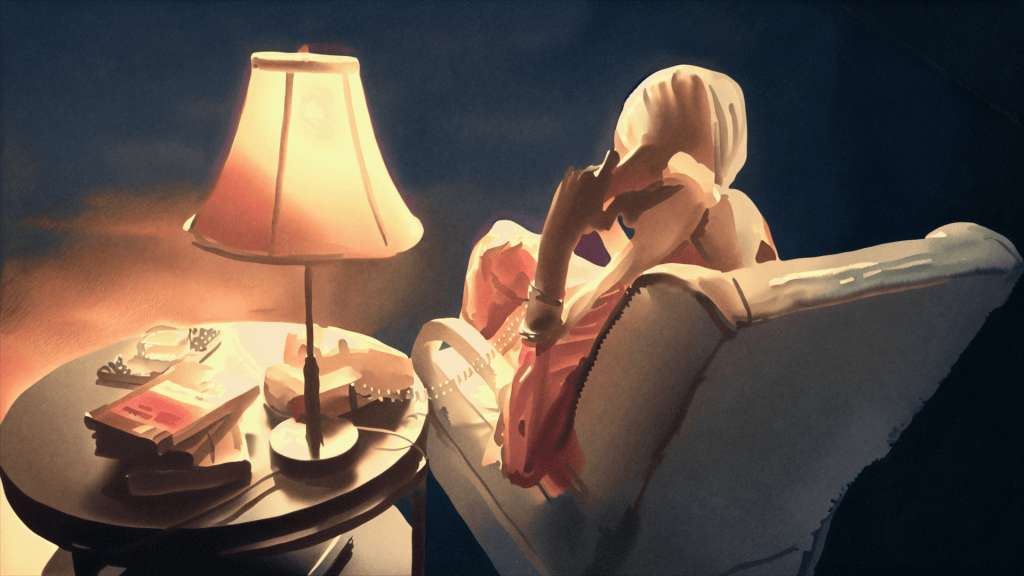
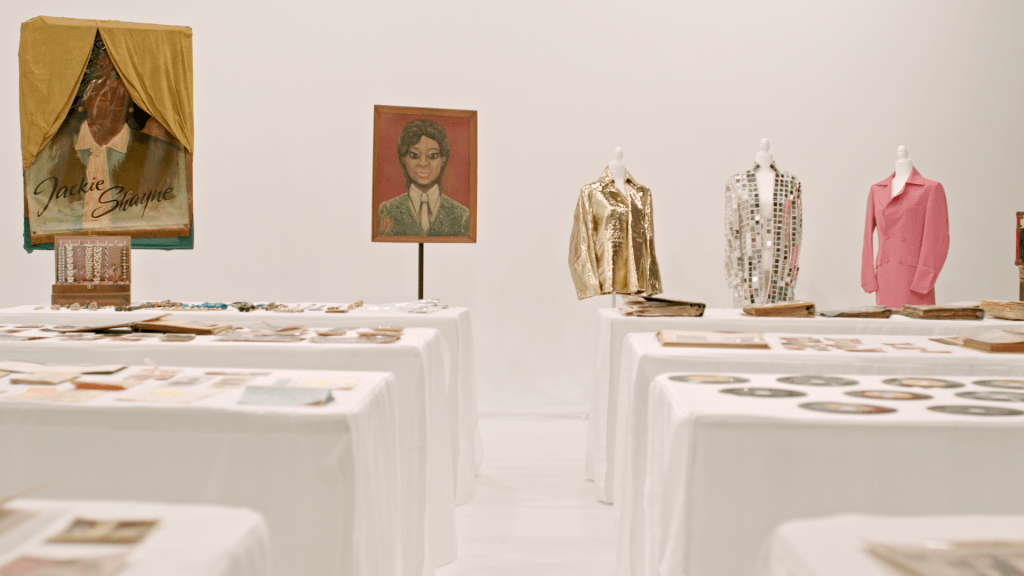
Jackie Shane: Any Other Way follows a family as they uncover the life of an estranged family member whose belongings they inherit. Through various lived-in artifacts, original phone recordings, and following a hidden auto-biography, they discover the vibrant life of rising Black, trans soul singer Jackie Shane, who stood tall in her truth and power with such conviction that her refusal to be shown any other way than who she was, was simply not worth her joy or her time – and she meant it. While this was her saving grace in keeping her peace, over time, it came at the cost of her career in the 60s, driving her into isolation just before her grand reemergence. With her vision of who she was as a Black trans woman, musician, performer, and writer, and with the incredible preservation of a life so very closely kept tight to the heart, Jackie Shane’s energy, revelations, and legacy are reenacted through stunning rotoscope animation in this documentary.
A Body Like Mine – Dir. Maja Classen (Germany)

A Body Like Mine is a lush, sensual, and vulnerable short documentary that follows the post-porn performance work of Puck: a racialized, queer sex worker, artist, and activist, and how they wholly express themselves, discussing their representation, coming together through their labour and art in the body they’re connected to. Questioning the boundaries of where one body or identity begins to have meaning over another and where it ends becomes a reparative, communal practice for bodies that have historically been constrained by and excluded from ideals and conceptions of beauty, desirability, and belonging.

A Mother Apart – Dir. Laurie Townsend (Canada)
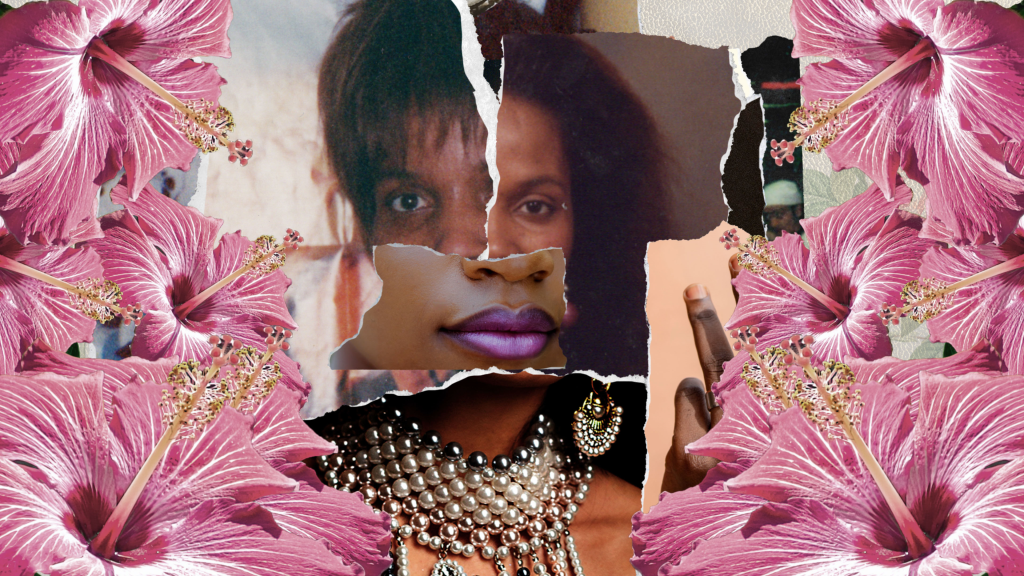
Laurie Townsend’s film A Mother Apart follows Staceyann Chin, a proud lesbian poet, writer, and activist in the relentless pursuit and dogged practice of loving oneself, family, and community spanning over the course of three generations of women, beginning with the poets’ roots in Jamaica. Reckoning head-on with the pain of growing up without her mother, as an adult, Stacyann reaches back into the struggle of her girlhood in Jamaica, alongside what little she knows of her mother’s past lives, retracing her last known steps time and again, from Montreal, Canada, to Cologne, Germany. A Mother Apart grasps the silences and traumas passed down between generations of mothers, daughters, and sisters while warmly embracing all the hands in between that creates a portrait of radical healing and understanding through a mix of intimate interviews from neighbours, friends, and family archival materials.


Swamp Dogg Gets His Pool Painted, Dir. Isaac Gale, Ryan Olson (USA)

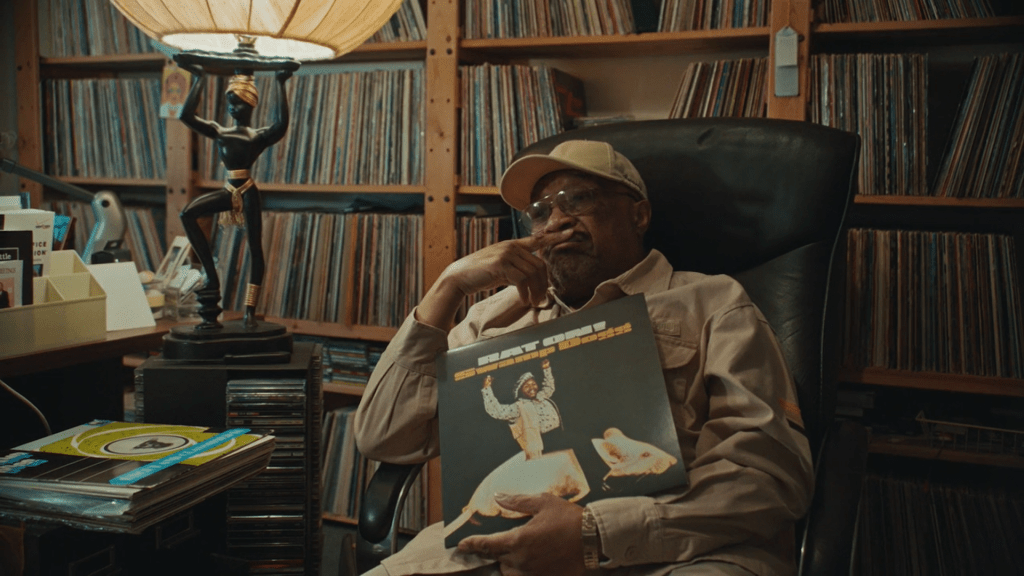
Easing in as if to settle next to your uncles playing a game of dominoes, music performer and producer icon Jerry Williams, otherwise known as Swamp Dogg, along with his closest friends, collaborators, and roommates, Moogstar and Guitar Shorty, spend their summer afternoons reminiscing about their musical careers in a Miami house. Over the period of time that Swamp Dogg Gets His Pool Painted, the unrestrained love for all genres of music and for one another that this trio continues to put in each other’s hands pushes the limits of their craft even now. Referred to as “the bachelor pad for ageing musicians”, Swamp Dogg Gets His Pool Painted is a refreshing, leisurely hangout sesh that takes its time; the radio filters in from the open window, where family, friends and neighbours pop in and out, crack jokes, and tell it exactly how it was back in the day and their musings on their downfalls and successes in the music industry that brought them together where they are now.

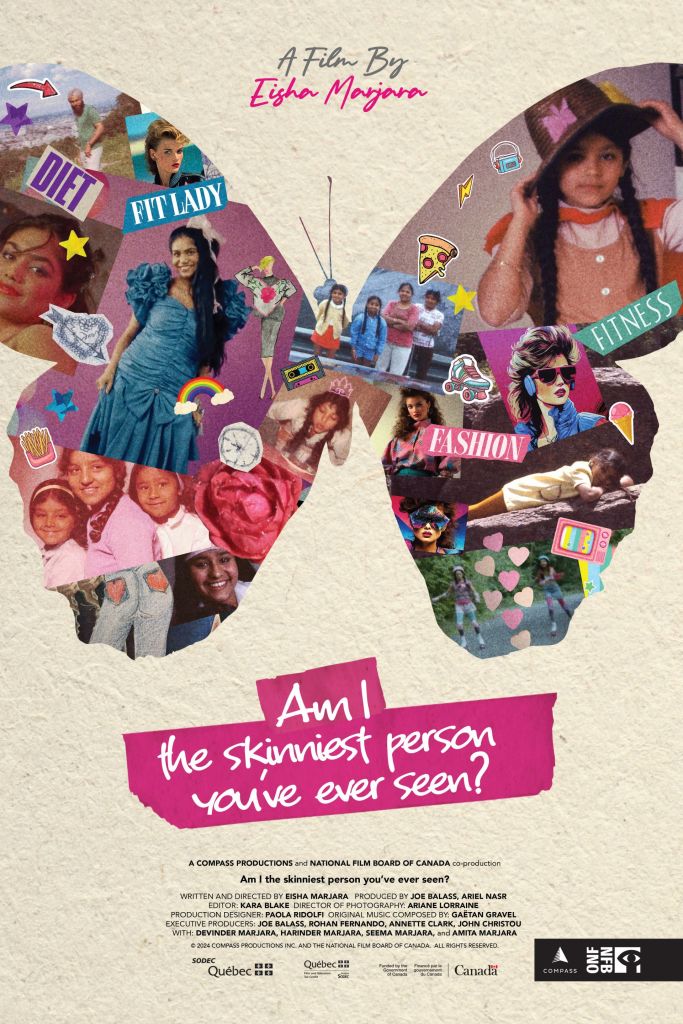
Special mention to the tender short Canadian documentary directed by Eisha Marjara (I had the privilege of playing a small part in its production): Am I the Skinniest Person You’ve Ever Seen?. An intimate retrospective through the filmmaker’s meditations on growing up in a Punjabi household in 80s rural Quebec reflects on the foundations of sisterhood, our relationship to body image, and passages to holding space for one another.
 Short Ends