

First times are always nerve-racking, and although we have gone through many (maybe too many) film festivals before, we had never witnessed something of the magnitude of the Toronto International Film Festival. With the popularity and relevance that precedes it, TIFF always felt like a far-away goal when we started this magazine a couple of years ago. However, after 1600 kilometres of train rides and over 100 hours of film watched, we can proudly say we covered TIFF from start to finish.
We wish we could have the space and time to describe in detail everything we heard and saw, yet that task is too big of an endeavour. Kleber Mendoça Filho said half joking, half dead-serious during the presentation of his latest documentary at TIFF Pictures of Ghosts that not every movie leaves something to say, sometimes, there is nothing to say at all. But we know, that he knows, that we know, that is the task commended upon us.


On this special edition of Short Ends first time at TIFF we will cover the usual stops we are accustomed to in our outlet but we also wanted to do a special reflection on the prominent themes we saw throughout the films we picked from the programme.
It is a bit funny but mostly concerning that most of the films we chose to watch at TIFF dealt with death and grief. For example, International Critics Prize Winner (FIPRESCI) Seagrass (Meredith Hama-Brown) and Valentina o La Serenidad (Ángeles Cruz) both deal with the loss of a family member and how the people that remain in the nucleus dealt with it personally. Beyond the narrative element that ties them together, both films are also threaded by a fervent connection between their characters and the land. On one hand, we have Judith (Seagrass) who is trying to heal in a place where she never belonged and on the other we have Valentina, a young girl trying to reconnect through ancestral traditions to the land where her father died. These acute observations of the territories where we belong also extrapolate into the characters’ identities. Judith has to live with the absence of her connection to her Japanese heritage embodied by her dead mother, while Valentina is pushed to embrace the indigenous customs she was never interested in before.
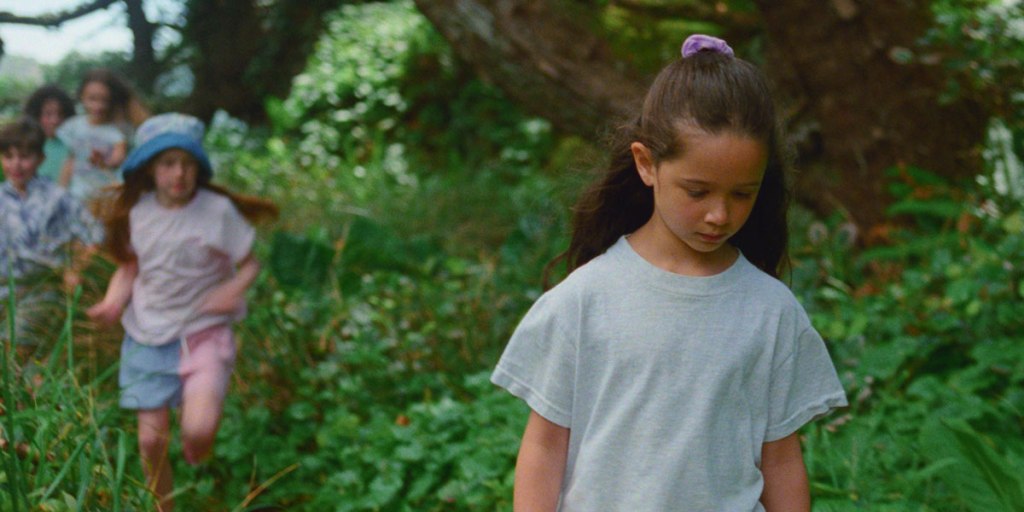

Just like these two films others participated in this dialogue surrounding angst and self-awareness. Miyazaki Hayao’s film The Boy and the Heron, Chika-ura Kei’s Great Absence and Kore-eda Hirokazu’s Monster, all deal with sorrow and loss in a very special way as they intertwine into the fabric of Japan’s society and history while telling universal stories that are heart-warming and heart-breaking.
On a more formal note, several other films dealt with the importance of history and the power behind it. Sports documentary Copa 71 (Rachel Ramsey & James Erskine) facilitated us with a blood-boiling document that inspires and enrages. By the same token, Chilean filmmaker, Felipe Gálvez presents us a reconstruction of his country’s colonial history through a mythologized revisionist Western. Los Colonos follows the horrors committed by landowners and colonial empires as they spread to the southernmost region of the country committing a massive genocide while the central government tries to instill the idea of a nation through travelogue films and documentaries with the handful of survivors from these communities. Gálves accentuates his film with the ending credit scenes being these exact travelogue movies the government did, posing the uncomfortable yet necessary question: how were our “countries” built?


Consistent with this theme, American luminary, Ava Duvernay, ambitiously adapted Isabel Wilkerson’s book Caste: The Origins of Our Discontents, in her film Origin. Duvernay’s film shifts and shuffles through several ages as she explores the history of prejudice and racism, ultimately not only presenting historical documents but also abiding for a greater understanding of interconnected struggles and intersectional discontent.
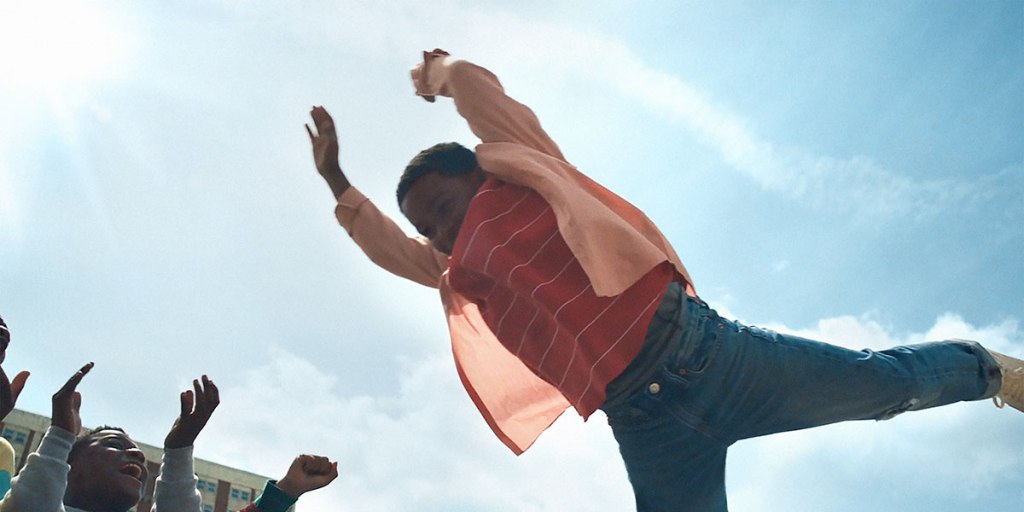
To tie it all up, and in a much more optimistic light, there was also a relevant presence of optimistic futures. Recipient of the 2023 Changemaker Award, We Grown Now (Minhal Baig) shows two kids who are at the mercy of their environments where the impact of their surroundings in their lives is out of their control. Behind the pain and the changes, Minhal Baig’s film presents a bittersweet story where goodbyes are overshadowed by the prospect of a better future. In this vein, Felipe Olguín Caro’s La Suprema offers its main character Laureana, the opportunity to express herself beyond and outside of her societal responsibilities. Without a long and perilous journey, Laurena is able to see with optimism the future that lies ahead of her as a boxer in her small Colombian town where champions are made.

In essence, our TIFF experience exposed us to a rich tapestry of films that challenged our perspectives, stirred our emotions, and left us with a deeper appreciation for the power of cinema to explore the complexities of the human experience. As we reflect on this remarkable journey, we look forward to continuing our exploration of film’s ability to inspire, provoke, and connect people from all walks of life.


Go to: Capsule Reviews
 Short Ends