

Cerrar los Ojos – Dir. Víctor Érice (Spain)
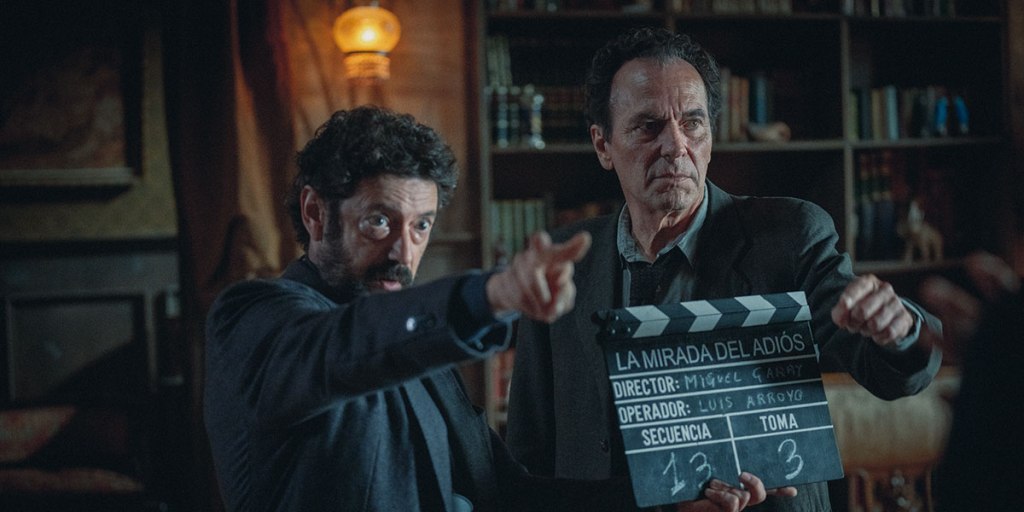
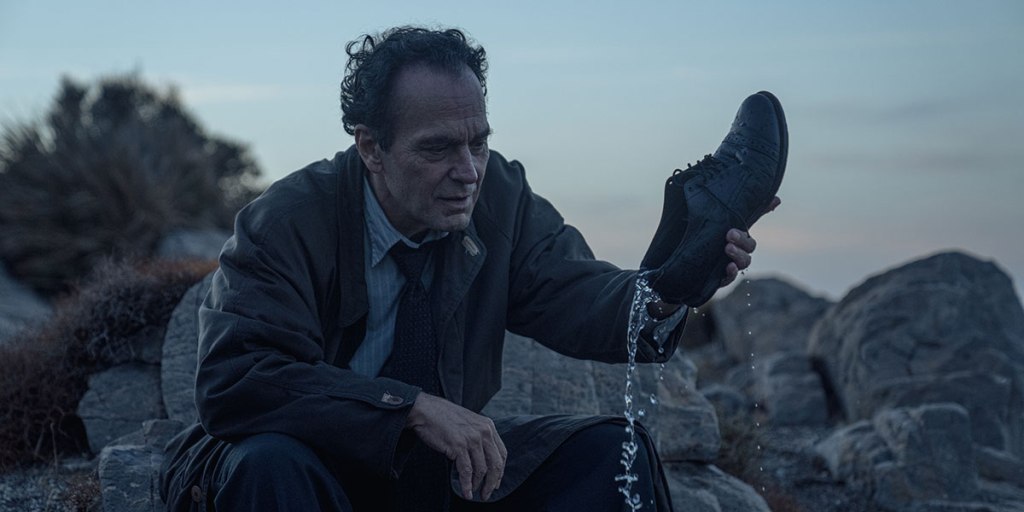
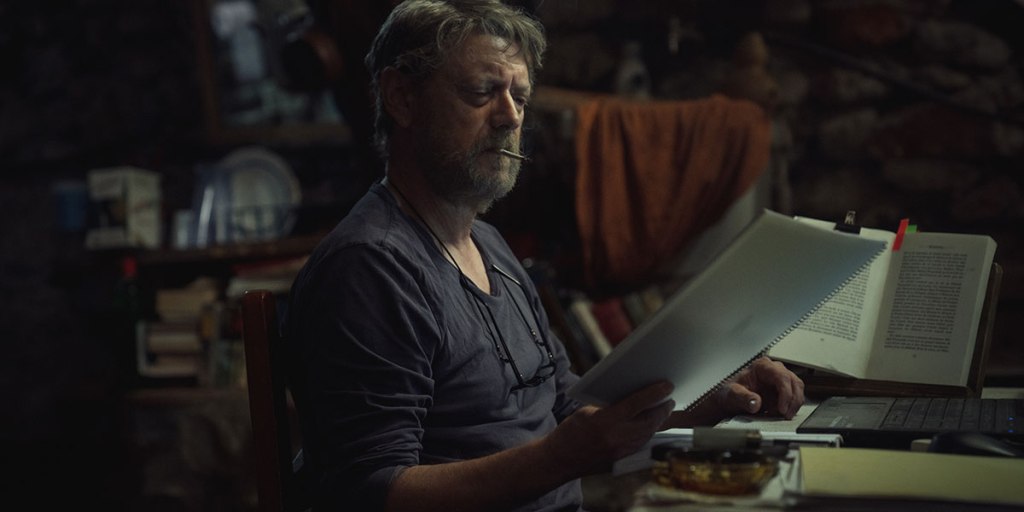
Cerrar los Ojos follows a film director as he tries to find his best friend who disappeared decades ago, coincidentally, his friend was the main actor in a film he never finished, a detective trying to reunite an estranged and lost daughter with her father. A memory within a movie within the memory of a movie. At first, Víctor Érice’s newest film Cerrar los Ojos seems like an over-complex narrative that tries to explain a basic notion: a person is more than just how we remember them. However, with dexterity and deepened self-awareness, the Spanish director threads a story full of love and tenderness, he is capable of creating a film that speaks about cinema as an exercise in human memory. Ultimately, Cerrar los Ojos captivates us with a promise: We were mortal until the advent of cinema.
Les Indésirables – Dir. Ladj Ly (France)
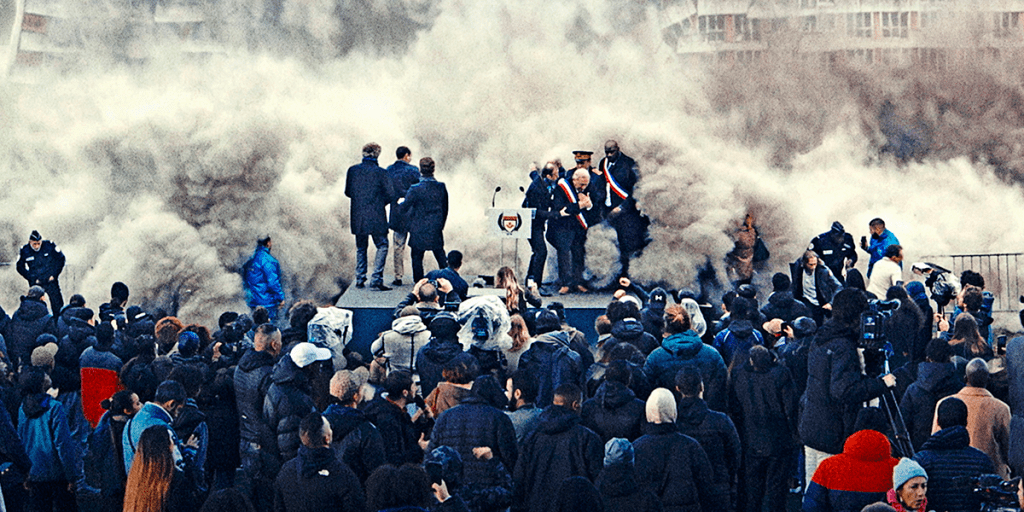
Opening the movie with a line that acts as an overarching thesis for his film “Even death is an inconvenience in this neighbourhood” Ladj Ly asks us, who has the power and why do they do what they do. Les Indésirables trails a series of events that end up in an explosive confrontation in a peripheral Parisian neighbourhood when a newly elected mayor threatens the livelihood of an immigrant community with the plan for a new housing project. Ly peels the layers of French society with an observational camera that composes a balanced play of parallels and contrasts, that in the end leads us to confront ourselves. Les Indésriables’ stark realization is that the chokehold people in power have over everyone else only gets tighter, either we mobilize or not… so then, why not show them how much it hurts?
The Peasants – Dir. Dorota Kobiela and Hugh Welchman (Poland, Serbia, Lithuania)
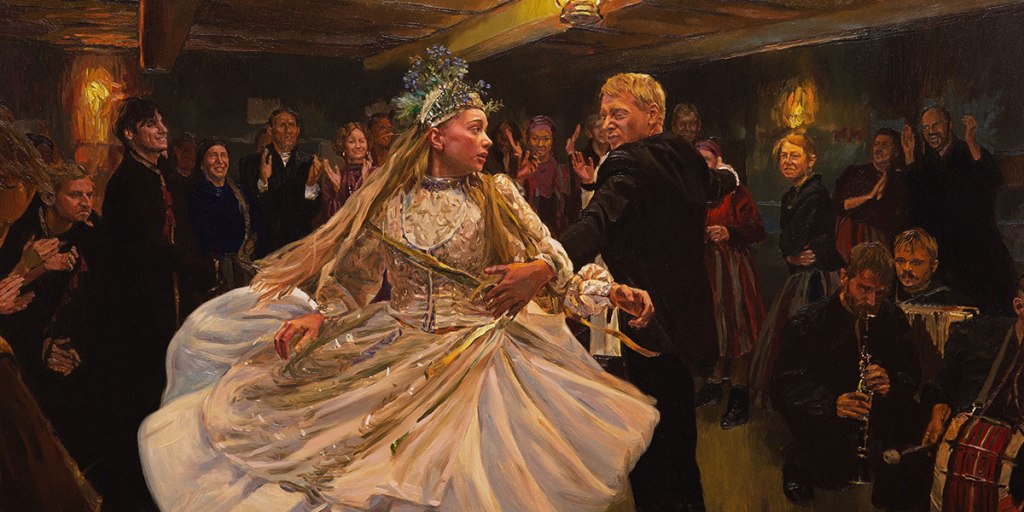
Forty thousand hand-painted canvases build the frames in The Peasants, an animated feature that retells Władysław Reymont’s Nobel Prize laureate novel of the same title. Historicizing the rural fields of Eastern Europe through the eyes of Jagna, a young woman, who is caught in the middle of a patriarchal feudalistic society, The Peasants excels in the reflexity of its medium. The manual labour and sheer passion that was infused into the project shine bright as the film elevates our understanding of classical storytelling in an all-encompassing cultural artifact that belongs as much to a movie theatre as it does to a museum.

Monster – Dir. Kore-eda Hirokazu (Japan)
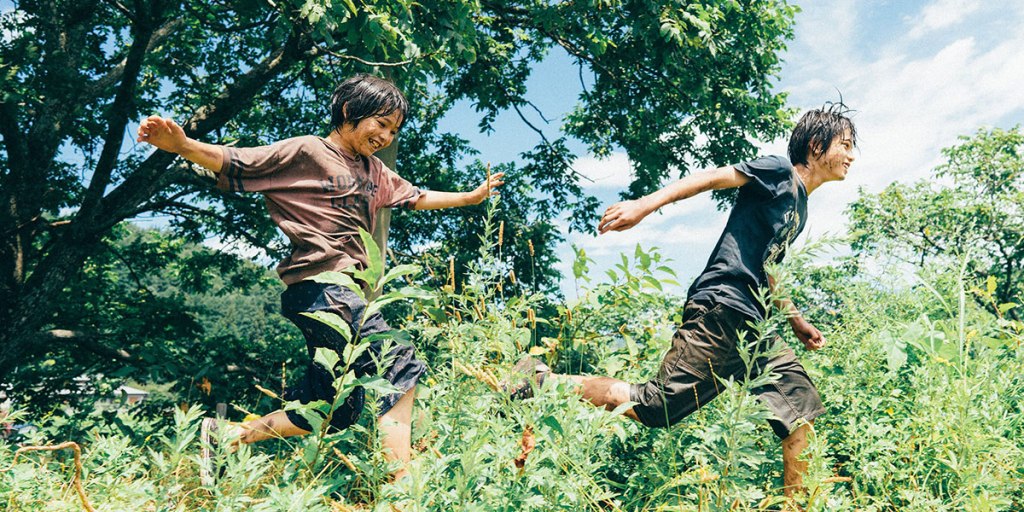
What can be said of Kore-eda’s latest film that has not been said yet? Scrutinizing intergenerational shame and guilt and its impact on children, the Japanese luminary proposes we ask ourselves how we navigate all of the gray areas our social commitments generate. With a tense narrative that unfolds like a mystery, Monster unravels a thick plot of bullying and self-acceptance in a heartbreaking but reaffirming ode to friendship and serenity. A perfect example of masters at its best, Kore-eda’s film flaunts a robust screenplay by Sakamoto Yuji and a soundtrack by the late Sakamoto Ryuichi. A geniune cinematic tour-de-force.
La Suprema – Dir. Felipe Holguín Caro (Colombia)
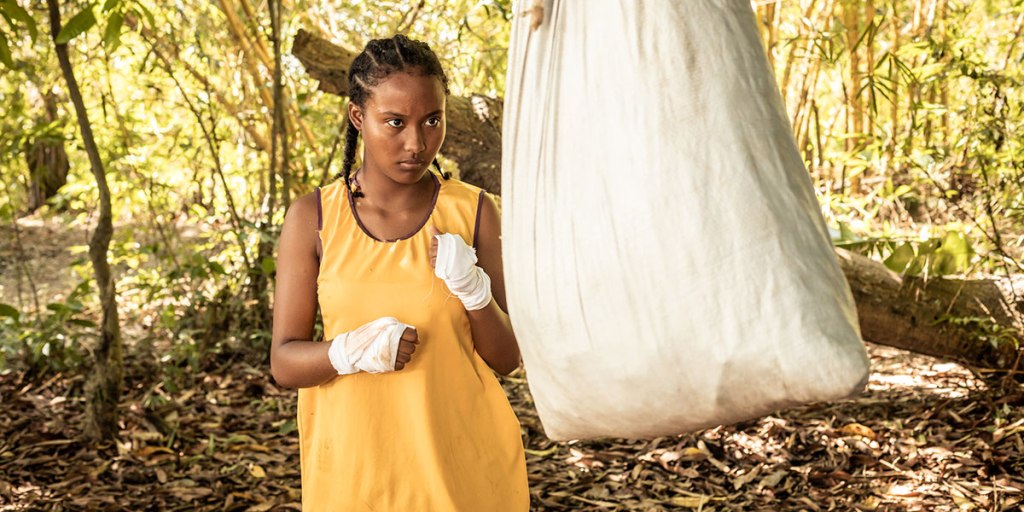
Tucked away and out of sight, the village of La Suprema reawakens. Laureana (Elizabeth Martínez), a spirited young girl who dreams of becoming a boxer as great as her uncle, initiates an ambitious plan to power the village with enough electricity to watch her uncle’s boxing match. Up against plenty of financial challenges, familial opposition, and gendered expectations along the way, Laureana does not allow her dream to falter despite the odds stacked against her. La Suprema is a tender tale of a young girl’s unwavering vision and belief in herself that infectiously spreads to her community and the world.
Kanaval – Dir. Henri Pardo (Canada, Luxembourg)
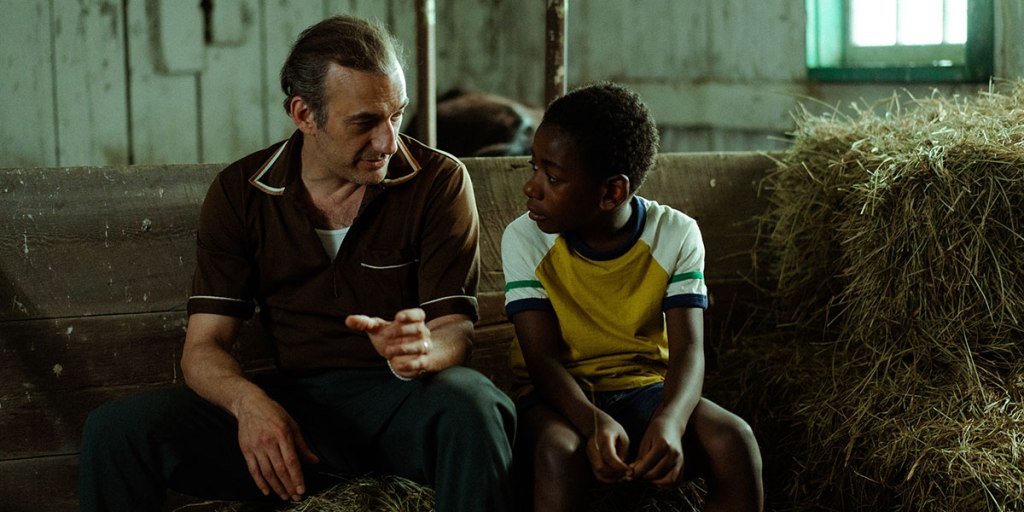
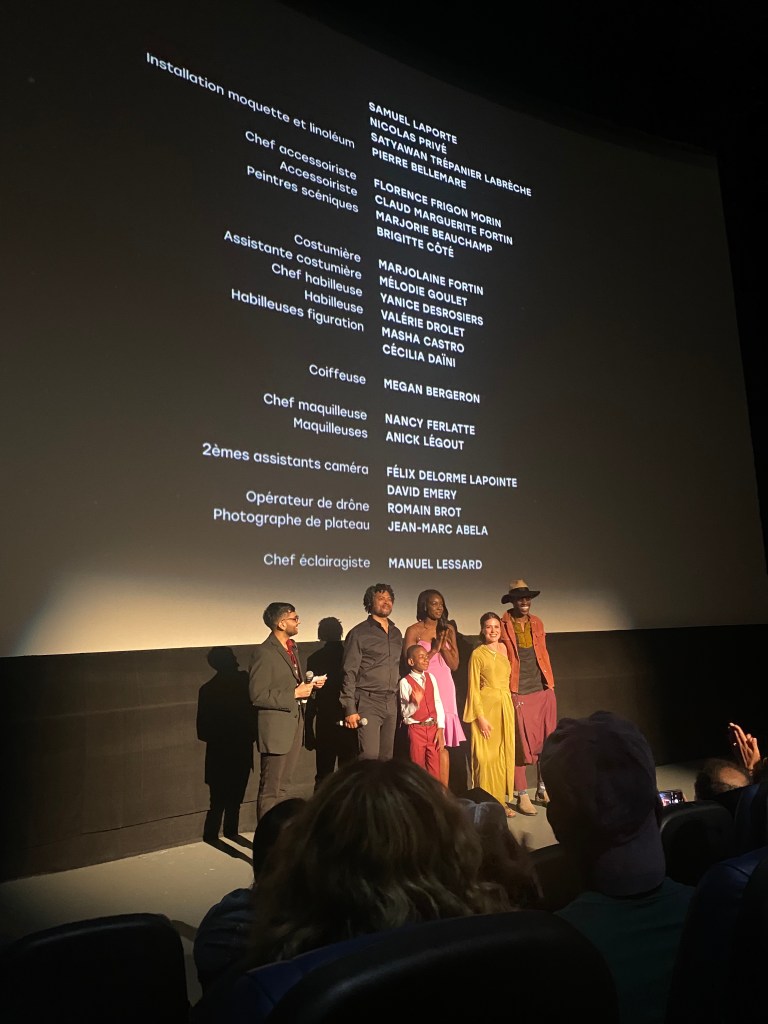
Winner of the Best Canadian Feature Award, Honorable Mention & the Amplify Voices Award – Best BIPOC Canadian Feature: Kanaval, directed by Henri Pardo, tells the story of young boy Rico (Rayan Dieudonné) and his mother Erzulie (Penande Estime) who one night, with danger lurking amidst Kanaval, hastily flee from their home in Haiti. Readjusting to a new life but still holding onto past trauma, Erzulie and Rico find a brief moment of stability in Quebec until new threats arise in an unfamiliar place. Kanaval seamlessly imbues magical realism into its’ coming-of-age story that conjures the realities of forced displacement and the toll taken from Rico’s perspective as he navigates the world accompanied by Kana, his imaginary friend manifested from Haitian myth.
We Grown Now – Dir. Minhal Baig (United States)
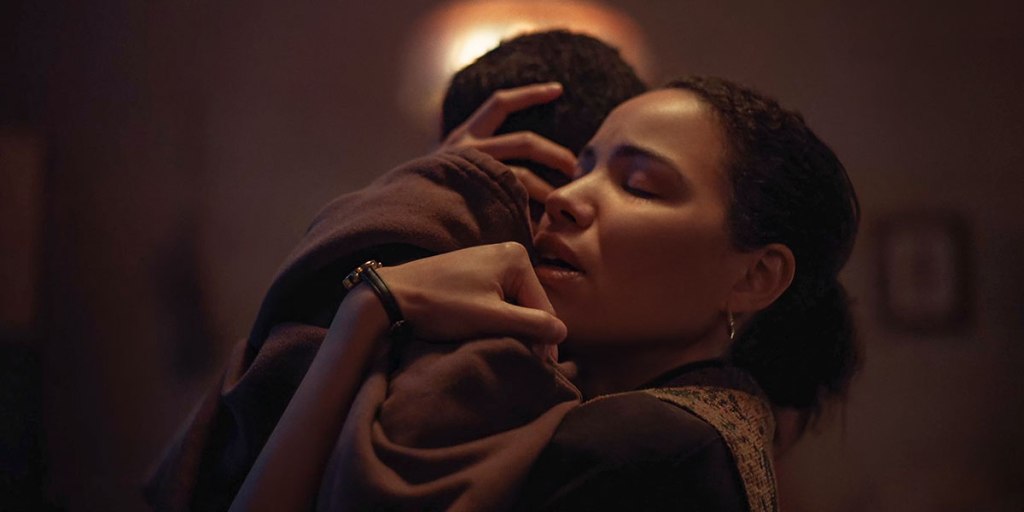
Winner of the 2023 Changemaker Award, director Minhal Baig reimagines the lively atmosphere of Chicago’s Cabrini Green housing complex in 1992, peering into the lives of the residents, where inseparable childhood friends Malik (Blake Cameron James) and Eric (Gian Knight Ramirez) live. After a neighbourhood tragedy that uproots the remaining safety and stability of the community, Malik and Eric’s environment changes rapidly as they are swept up amid the disruption that encroaches. With the potential of a better life, Dolores (Jurnee Smollett), Eric’s mother, considers relocating the family, forcing Malik and Eric to confront the immediacy of their reality, shared dreams, and eventual goodbyes. With dazzling sincerity and whole-hearted wonder, We Grown Now captures the seemingly unending time between the jump and the leap into the unknown.
Origin – Dir. Ava Duvernay (United States)
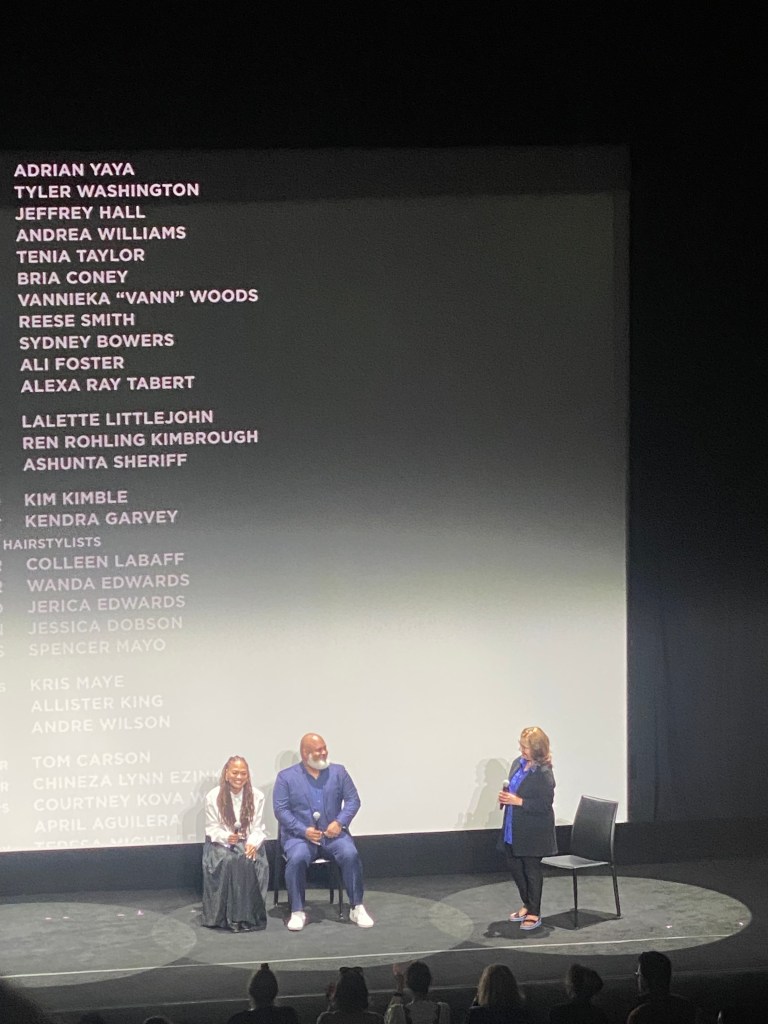
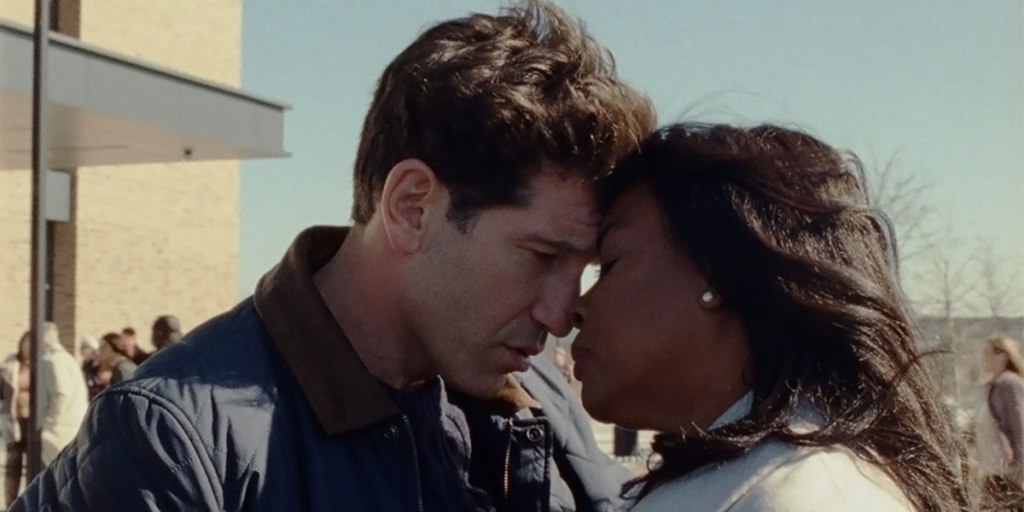
After Trayvon Martin’s murder, author and former reporter Isabel (Aunjanue Ellis-Taylor) embarks on a journey that leads her to investigate the structure of prejudice, racism and ultimately caste, writing across histories of violence throughout the ages. An ambitious undertaking, Duvernay’s work poetically shifts, moving through Isabelle and her grief as the conduit for context that intertwines the personal with the historical — back to the origins of our discontent. Origin lays the framework for these interconnected realities of oppression to be shared, recognized, and mobilized to repair from the novel to the screen.
Banel & Adama – Dir. Ramata-Toulaye Sy (Mali, Senegal, France)
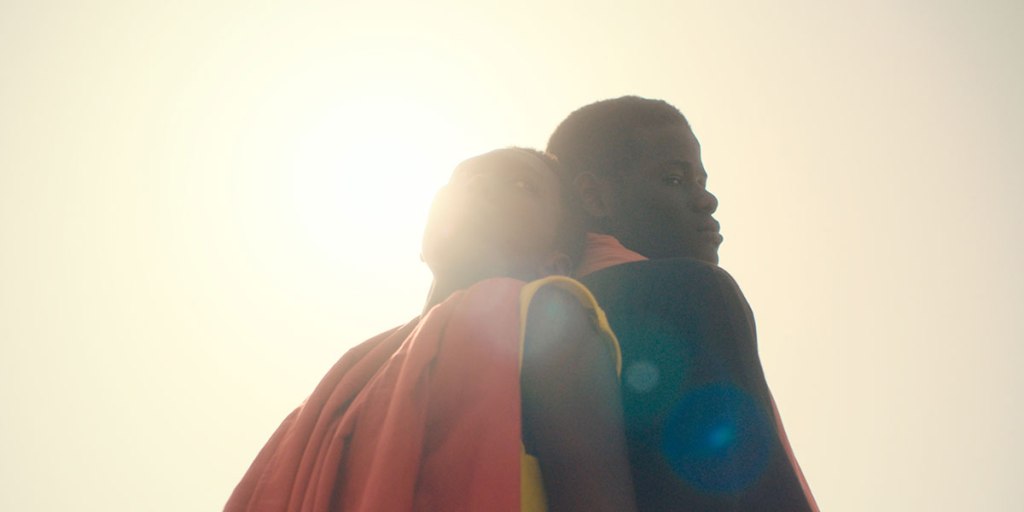
From director Ramata-Toulaye Sy, Banel & Adama follows two young lovers who, in their desire for independence, against tradition, the wishes of the family, and the extended community in the village, seek a private place for themselves. At what first seems to be youthful resistance towards tradition transforms into defying destiny that further descends into mesmerizing tragedy. Banel & Adama is an ethereal epic that channels a stylized narrative echoing its region but pushing the boundaries of what we can conceive as a new sub-Saharan cinema. Sy’s film contemplates exceeding the boundaries of being, triumphing in its emblematic allegory.
Pictures of Ghosts – Dir. Kleber Mendoça Filho (Brazil)
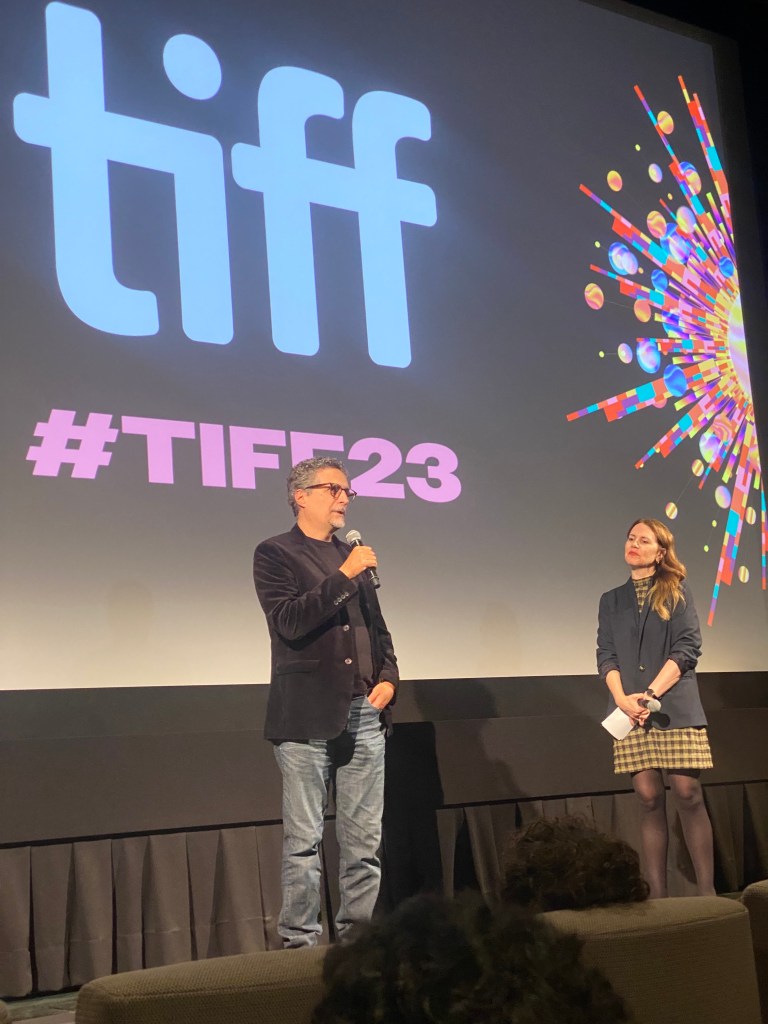
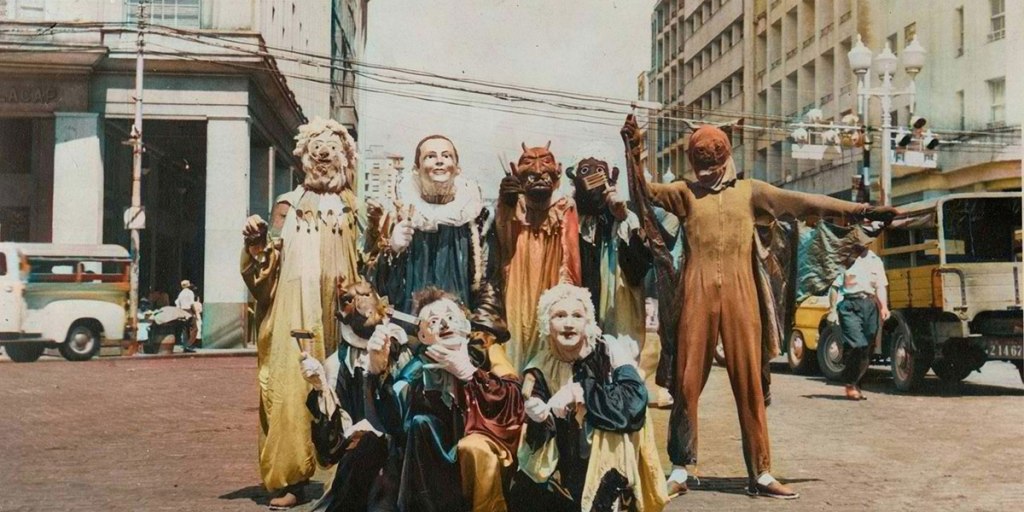
A profound reflection, a love letter, a dream-like soliloquy. Pictures of Ghosts is a documentary that delves into the mental machinations of Kleber Mendoça as he contemplates the impact of cinema and his filmography in his life and his city, Recife. Part historical archive, part personal statement, Pictures of Ghosts is a shifty experiment in filmmaking that is hard to label but easy to fall in love with. At heart, the film exudes passion but does not shy away from critical thinking, it pulls you in with its images and colorful characters but it invites you to see beyond film and its romanticized aura.
 Short Ends
1 Comment
Comments are closed.