
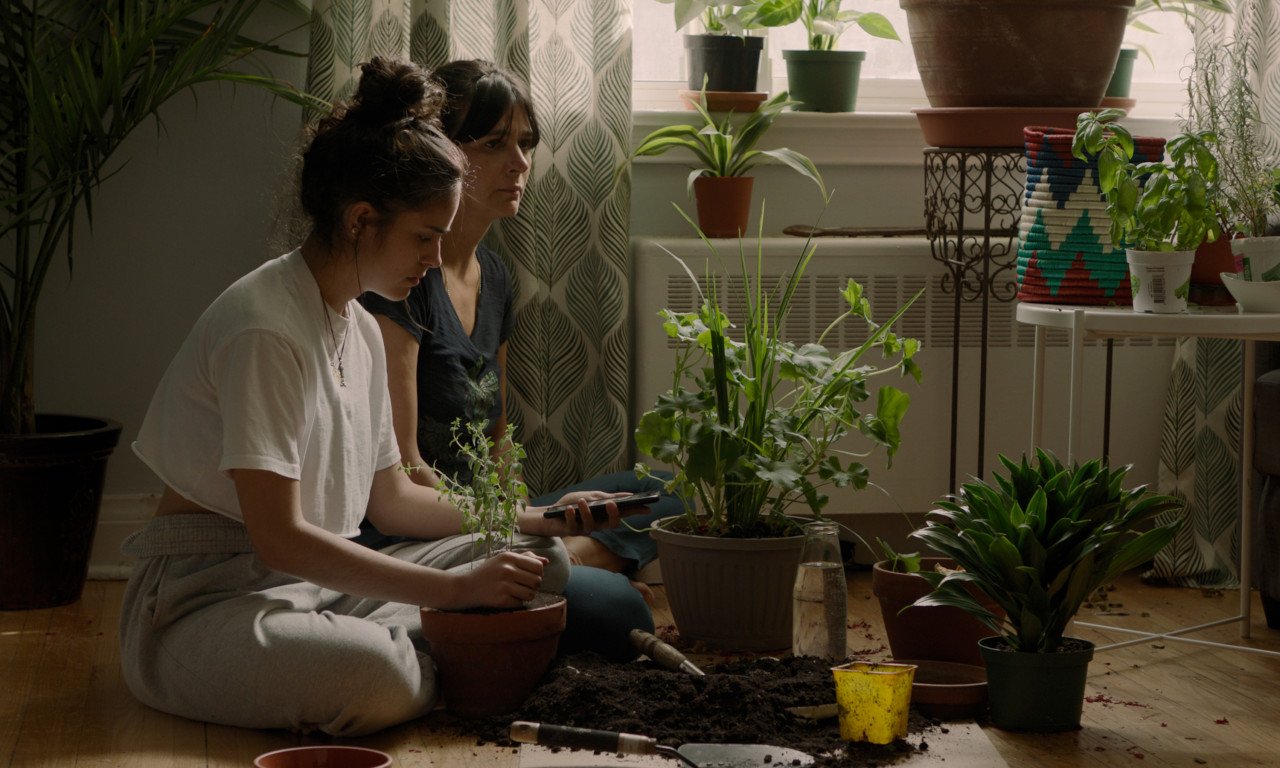
Colombian cinema has grown immensely over the last few years, finding and defining its style while diversifying the themes of its stories. Moving away from violence and politically-themed films, we are witnessing a generation of filmmakers who are nurturing and refreshing the scope of Colombian cinema. One of the filmmakers actively participating in this new wave is Lina Rodríguez. This Colombian-Canadian filmmaker has developed a unique way of making cinema, full of emotion, female-gazed, and as human as possible, particularly in her latest film, So Much Tenderness (2022).
Aurora meets an American couple who help her cross the border and enter Canada, hiding in their car trunk. We can only see a dim red light shimmering, interrupting what otherwise would have been total darkness. The car stops. At the border, officers are checking other people’s trunks. Suspense and nervous anxiety build up and peak for the woman in hiding and for us.
Rodríguez’s film tells the story of a Colombian environmental lawyer who sees herself forced to leave her country after her husband is murdered. The close-up shots, moments of silence, flashbacks and naturalistic narration take us through Aurora’s efforts to overcome her pain and build a new life in Toronto with her daughter, Lucía, who also has to work and faces her own dilemmas.
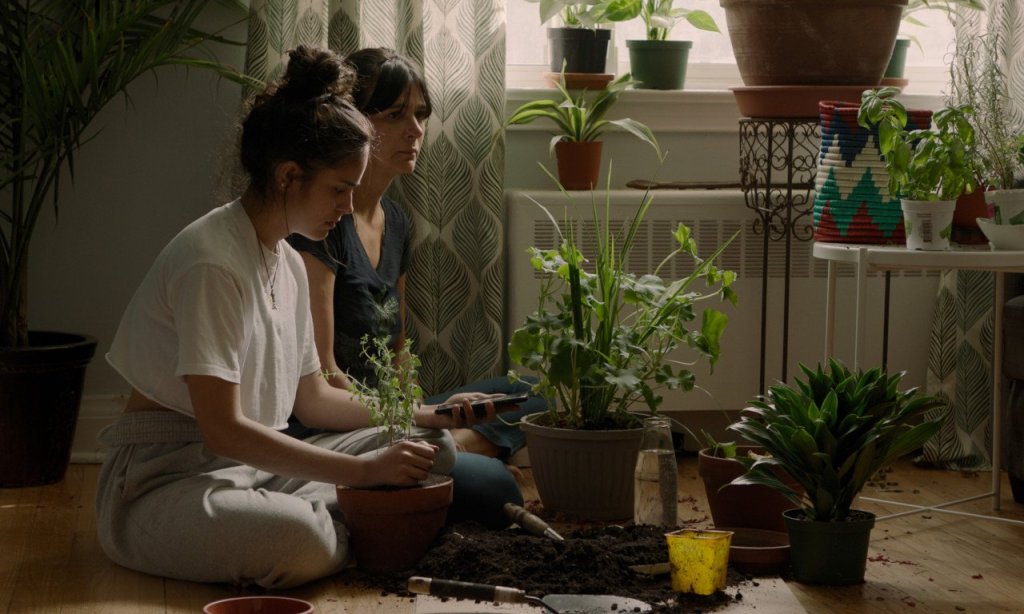
So much Tenderness is not a dramatic film, but it has plenty of emotion. Aurora is a calm woman who has been through tough times, and we can see her eyes carry an ache and a burden. It is evident that her background has been touched by corruption and seedy power dynamics: her husband was murdered, and she was forced to stop her work as an environmental lawyer. We get close to Aurora’s memories and efforts to overcome the pain that is left on her. This is where the film peaks in its emotional height. Because Aurora tries to overcome the fact that she has suffered, she shares her grief and her anger in quotidian ways, namely, through her immigration process, guiding her daughter and moving on by getting a new job.
The film is not only about immigration and the difficulties of finding a new home when you do not belong anywhere, but it is also about trying to move on and forgive. We find ourselves questioning our identity, immersed in a feminine world and empathizing with Aurora and Lucía. Although we never see violence on camera, we feel the trauma it has left on the protagonists and share their often-silenced pain.
With non-linear, unorthodox narration and subtle character arcs, Lina Rodríguez builds a beautiful piece that reminds us about the importance of family, privilege, inner struggles and life’s fragility. So Much Tenderness is not easy to watch by any means. The movie features a slow-paced rhythm, long camera shots, diffused lighting and sad remembrances in the form of flashbacks. Even so, it is able to convey meaningful dialogue that shows Aurora and Lucía’s attempts to overcome their grief and find love again, while holding onto their nuanced relationship. At times, they find it hard to move on and share more differences than similarities, but both women manage to hold on to their bond in order to be each other’s anchors, knowing they hardly have anyone else in their new lives.
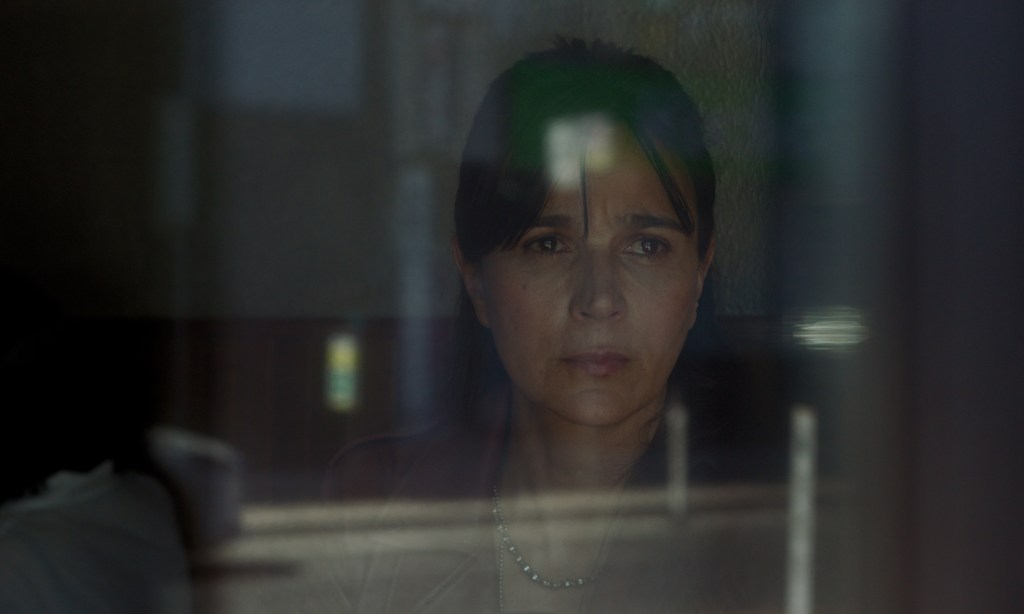
Having recently made a similar journey as Aurora, I find myself in a similar position. I have struggled to find my path and myself in a new country. I have faced bureaucracy, discrimination, loneliness and other difficulties of leaving my hometown looking for a better future. Without a family and my closest circle of loved ones, this movie feels like a warm embrace to those who struggle overseas. The feminine universe that Rodríguez portrays with Aurora, Lucía and her girlfriends sets the tone for exploring themes like falling in love, finding identity, motherhood, forgiveness and feeling comfortable in our skin. Thanks to the sensitive female-gazed framework of Rodríguez, the film succeeds at building relationships and awakening empathy in the audience.
As a result, we find ourselves facing a bittersweet story slightly touched by violence and political causes, but focusing on human hardships and emotional consequences, getting away from violent action archetypes. The director imbued her experience into the movie since she is also part of the Latin-American diaspora. Portraying part-Colombian, part-Canadian characteristics, Rodríguez nourishes the lives of Aurora and Lucía, who are just trying to live through the ache left behind by the death of their beloved and the feeling of being adrift in their new, unknown life.
 Short Ends